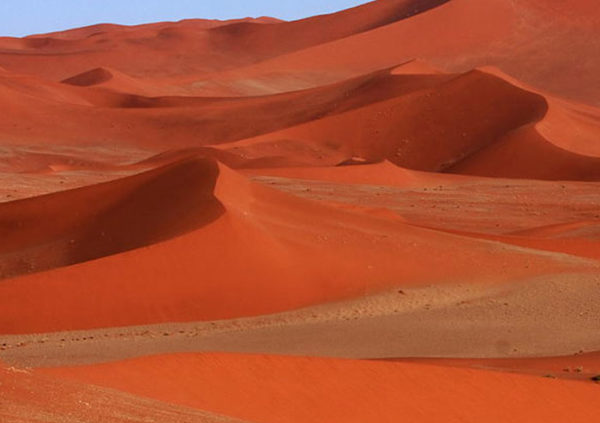
Red dune sand is prominently featured in Middle Eastern architecture. Many of the iconic buildings in cities like Dubai and Abu Dhabi boast a distinct reddish hue, a result of incorporating red dune sand into their construction.
This material not only offers a unique aesthetic but also provides practical advantages, such as durability against extreme temperatures and strong winds. This is why it’s important to source high-quality materials from a reliable red dune sand supplier in Dubai.
Honoring traditional architecture:
Old desert homes utilized the surrounding earth to keep interiors cool and stable. Using these same colors today pays respect to the ancestors who mastered the harsh climate with simple materials. It maintains a visual link to the past while utilizing new construction methods. Designers find that these hues offer a sense of belonging that synthetic colors simply cannot match. This approach keeps historical identity alive in every new structure built today.
Creating natural color palettes:
The deep ochre and sienna shades found in the desert offer a ready-made color scheme for any project. These tones blend perfectly with the natural light, changing slightly as the sun moves across the sky. Using earth-based pigments ensures that buildings look like they grew right out of the ground. It provides a soft, warm atmosphere that feels welcoming and calm. This natural look remains popular because it avoids the coldness of modern gray concrete.
Symbolizing hospitality and warmth:
Warm colors are linked to the welcoming nature of the people who live in these arid regions. A red-toned entrance or courtyard signals a place of rest and friendship for guests and visitors. It reflects the glow of a fire at night or the soft light of a setting sun. Incorporating these shades into furniture or walls makes a space feel inviting. This design choice speaks to the values of generosity and kindness found in local culture.
Sustainable landscape integration:
Modern gardens often use the local sand to reduce water waste and match the natural surroundings. By choosing local materials, designers help the environment while creating a seamless flow between the porch and the dunes. This method uses less energy and fewer resources compared to importing foreign stone or grass. It celebrates the beauty of the dry landscape rather than trying to hide it. Local plants look best when surrounded by the earth they naturally grow in.