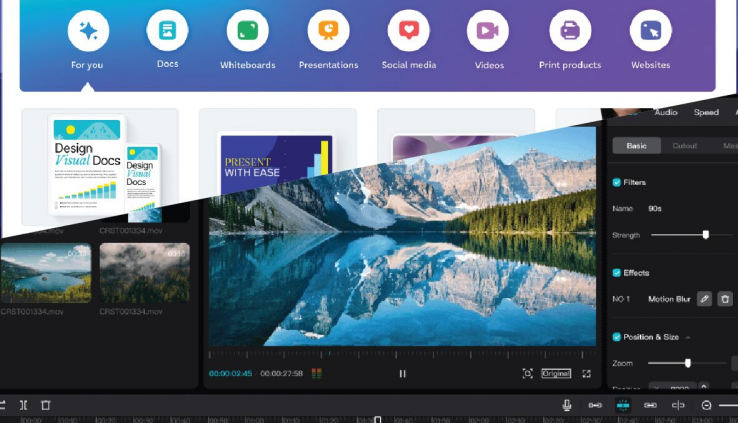
Graphic design involves creativity and technical skill. Learning to use design software allows students to bring ideas to life visually. A graphic designer course introduces tools and techniques used in professional design, helping students understand how to create graphics, edit images, and prepare materials for print or digital platforms.
Image Editing with Photoshop:
Photoshop is widely used for image manipulation and editing. Courses teach how to adjust colors, retouch photos, remove backgrounds, and combine images. These skills are useful for creating marketing visuals, social media content, and website graphics that capture attention and look polished.
Vector Design with Illustrator:
Illustrator focuses on vector graphics, which are scalable without losing quality. Students learn to create logos, icons, and illustrations that can be resized for business cards, banners, or posters. This skill is essential for branding and projects that require clean, professional artwork.
Layout and Print Design with InDesign:
InDesign is used for page layouts and print-ready designs. Courses cover designing brochures, flyers, magazines, and eBooks. Students learn how to organize text and images in a visually appealing way, making materials easy to read and professional in appearance.
Motion Graphics and Video Editing:
Some courses include basic animation and video tools like After Effects or Premiere Pro. Students learn to create short animations, animated logos, and promotional videos. These skills help designers add movement to their work, making content more engaging on social media and websites.
Web and Interface Design:
Graphic design courses often teach web-focused software such as Figma or Adobe XD. Students learn how to design websites, apps, and user interfaces, combining visual appeal with user-friendly layouts. These tools allow designers to create interactive digital experiences that attract users.
Typography and Font Tools:
Typography plays a major role in design. Courses teach software that handles fonts, spacing, and text styling. Learning these tools helps designers create visually balanced designs where text complements images and overall composition.
Workflow and File Management:
Learning software also involves organizing files and exporting projects correctly. Students are taught how to save work in different formats for print, web, or social media. These skills help maintain quality, prepare projects for clients, and avoid errors in production.
A graphic design course teaches software skills that cover image editing, vector graphics, layout design, animation, web design, and typography. By learning these tools, students gain practical abilities to create professional visuals, adapt designs for different formats, and present their ideas effectively in both digital and print media.