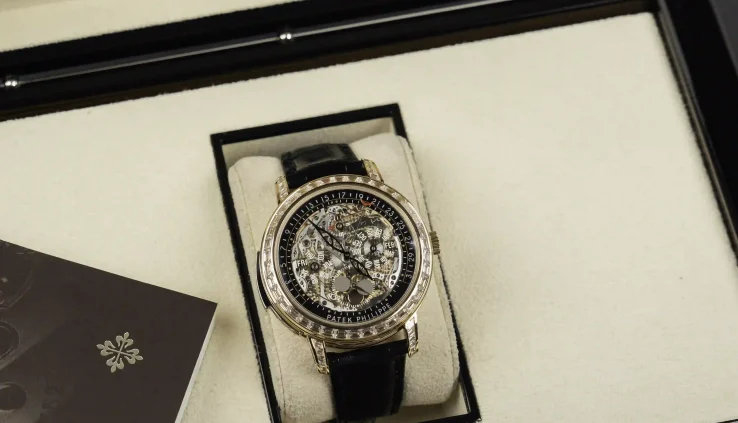
A scratch here, a dull edge there, daily wear leaves marks on any fine watch. Some owners want that factory shine back. Others prefer keeping each nick as a memory. Polishing changes appearance and worth in clear ways.
Before acting, weigh the good against the bad. The Patek Philippe watches price can shift after any polish work. In this article, you will explore the pros and cons of polishing your luxury watch.
The shiny look:
Polishing removes the tiny marks and scuffs that happen when you wear your watch. It restores the original glow of the metal. This makes the piece stand out on your wrist. A clean surface reflects light beautifully. It makes the watch look like it did the day it came home from the shop.
Metal loss:
Every time someone polishes a watch, they remove a thin layer of metal. Over the years, this changes the shape of the case. The sharp edges become rounded and soft. The lugs might get thinner than they should be. Too much work can ruin the original design that the makers intended.
Market value:
Collectors often prefer watches that stay in original condition. A watch with scratches but no polishing can sell for a higher amount. Buyers look for the factory finish and crisp lines. Removing metal can lower the worth of a rare piece. Keeping it original keeps the history of the item intact.
Professional work:
If you decide to polish, always use a trained expert. They use special tools to keep the lines straight and true. Doing it at home can cause uneven surfaces. Experts know how to handle delicate parts without causing damage. Good work minimizes the amount of metal lost during the process.
The story of wear:
Scratches show that you actually enjoy and use your watch. Some owners see these marks as memories of their daily life. A perfect watch can look like it stays in a box all day. Marks give the piece character and show it has a real history. Keeping the scratches preserves the soul of the timepiece.
When to polish:
It is best to wait until a full service is needed. Doing it too frequently thins the metal too fast. Most experts suggest waiting several years between each session. This balance keeps the watch looking good without losing its shape. Saving the work for major milestones protects the long-term health of the metal.